
Top 10 Mistakes We See in Migration Document Translations (2026)
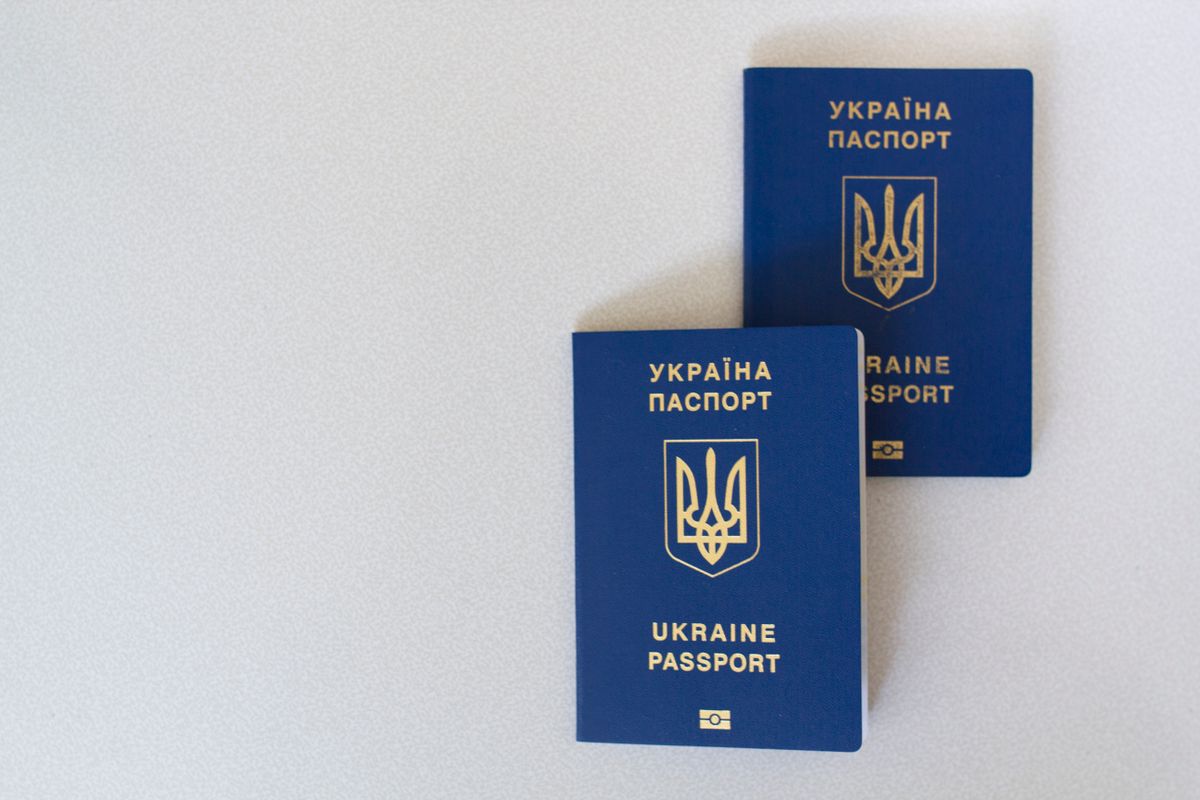
The most common mistake we see in migration document translations is partial translation, where the body text is rendered into English but the stamps, seals, signatures and side notes are left in the original language. Australian case officers compare the translation against the original page by page, and any gap on the translated copy stalls the file with a request for evidence.
Migration files travel through hands that read translations every day. A case officer at the Department of Home Affairs, an assessor at VETASSESS, a registrar at AHPRA. They each spot the same small mistakes again and again, and each of those small mistakes can push a visa decision back by weeks. This guide lists the ten we see most often inside naati translation services intake, in the order they tend to cause the most damage.
The pattern below is drawn from the files that reach us for a second round of work, after a first attempt has already failed somewhere in the visa pipeline. None of these mistakes are exotic. All of them are avoidable with one careful read before submission.
The Ten Mistakes At A Glance
| Mistake | Consequence | Fix |
|---|---|---|
| Partial translation of the page | Request for evidence, file paused | Translate every visible element including stamps |
| Lapsed NAATI certification | Translation treated as uncertified | Verify the practitioner number before paying |
| No certification statement | Page rejected on first read | Insist on the practitioner statement block |
| Name mismatch across documents | Identity flag raised under PIC 4020 | Add a translator note explaining the variation |
| Missing stamps and seals | Document treated as incomplete | Render every stamp in square brackets |
| Translating from a photocopy | Original requested anyway | Supply the cleanest scan or the original |
| Wrong date format | Identity checks fail at first sweep | Use day month year as written in the source |
| Bilingual document done one way | Half the page treated as missing | Translate the non English side as well |
| AI output passed off as certified | Visa risk under PIC 4020 | Order a NAATI certified version from scratch |
| Retranslating accepted documents | Wasted spend, fresh version numbers | Reuse the original NAATI certified copy |
1. Translating Only Part Of The Document
A birth certificate is more than the typed lines in the middle. There is the issuing authority across the top, the seal in the corner, the registrar signature at the bottom, the reference number on the back. A translation that captures only the body and leaves the rest in the original language tells a case officer that the page has been read selectively.
A NAATI certified practitioner renders every element on the page, including the parts that look decorative. Stamps go inside square brackets with the issuing office named in English. Signatures get marked as illegible where they are, and named where they can be read.
2. Using A Translator Without Current NAATI Certification
NAATI certification has an expiry date. A practitioner whose recertification has lapsed is no longer listed as certified, even if their stamp still looks identical to the one on a current certificate. The Department checks the practitioner number against the NAATI Online Directory, and a lapse on the certification date returns the file for fresh translation.
The official directory lives at the NAATI Online Directory. A practitioner number that does not return a current record is a stop sign before you pay.
3. No Certification Statement On The Page
The certification statement is the short paragraph at the bottom of the translation that declares the work true and accurate, names the practitioner, lists the practitioner number, and shows the language pair and date. Without it, the translated page is a piece of paper with foreign words on it, not a certified document.
4. Name Mismatches Between Documents
The most damaging mistake on this list. A passport spells the name one way, a marriage certificate spells it another, a school transcript adds a middle name that no one uses. Under PIC 4020 the Department can refuse a visa on identity grounds alone, and unexplained name variation is exactly the signal it is built to catch.
A clean translation acknowledges the variation in a translator note rather than hiding it. The note explains, in plain English, that the same person appears under two spellings because of a transliteration choice or a marriage event. The case officer reads the note and the flag goes down.
5. Missing Stamps, Seals, And Signatures
A document with stamps and seals on the original needs the same stamps and seals described in the translation. The page itself does not need a reproduction of the artwork. It needs square bracket entries that name the issuing body and describe the placement, so a case officer reading only the English version sees the same authority layered on the page.
6. Translating From A Photocopy Rather Than The Original
A faded photocopy hides the very details a translator needs. Stamps blur into the background. Signatures lose definition. Side notes get cropped. The translation is then accurate to the photocopy and not to the document the Department wants to see.
The cleanest input is a high resolution colour scan of the original, or the original itself sent in by post. A practitioner working from police check translation jobs sees this every week, and a clean scan often saves a second round of work.
7. Wrong Date Format Conventions
A date written as 03/05/2025 reads one way in Europe and another way in North America. A translator who flips the convention without flagging it has just changed a birthday or a marriage date. Australian intake works on day month year, and a clean translation either matches that convention or names the source convention in a translator note.
8. Bilingual Documents Translated In One Direction Only
Several countries issue bilingual originals, with one half in the local language and the other half in English. A translator who renders only the local half leaves the case officer to wonder why the English half differs from the rest. A full NAATI certified translation covers both halves, and a translator note explains which half was the source and which half was already in English.
9. AI Or Machine Translation Passed Off As Certified
The cheapest mistake to make and the most expensive to fix. An AI rendered document with a copy and pasted certification block fails on two counts. The translation itself is not human reviewed, and the certification statement is unsupported by a practitioner who has actually read the page. Under PIC 4020 this lands as a misrepresentation risk, which sits on the immigration record for three years.
10. Retranslating Documents That Were Already Accepted
A document that has been accepted in an earlier round does not need a fresh translation for the next round, unless the issuing authority has reissued the original. Reordering a translation that already sits on file simply adds a second version number for a case officer to reconcile.
The companion piece on what happens if immigration rejects a translation walks through the request for evidence pathway in detail, including when a reorder is genuinely needed and when it is not.
Which Mistakes Hit Which Documents Hardest
Different document types attract different mistakes. The matrix below shows the pairings we see most often.
| Document Type | Most Common Mistake | Rejection Signal |
|---|---|---|
| Birth certificate | Stamps left untranslated | Request for evidence on identity |
| Marriage certificate | Name spelling variation | PIC 4020 identity check |
| Police clearance | Photocopy used as source | Authority requested in original |
| Academic transcript | Bilingual page done one way | Assessor sends file back |
| Driver licence | Date format flipped | Roads authority refusal |
What The Department Actually Asks For
The Department of Home Affairs publishes its document checklist on the getting the right translation page. Reading that page once before lodgement removes most of the mistakes on this list before they reach a case officer.
The Cost Of A Reorder Versus The Cost Of A Clean Round
A clean NAATI certified round runs at standard pricing. Self Service Extract Translations are $44.95. Extract Translations are $59.95. Full Translations are $64.95. A reorder costs the same, plus the four to eight weeks the visa file spends in the request for evidence queue.
Pre Submission Check
- Every visible element on the page appears in the translation.
- The certification statement names the practitioner and the NAATI number.
- The practitioner number returns a current record on the NAATI directory.
- Names on the translation match the names on every other document in the file.
- Stamps and seals are described inside square brackets.
- The translation works from a clean scan of the original, not a photocopy.
- Dates follow day month year, or carry a translator note explaining the source.
- Bilingual originals are translated on both sides.
- No AI rendered text sits inside the file.
- Previously accepted translations are reused rather than reordered.
Frequently Asked Questions
What is the most common mistake in migration document translations?
Submitting only the translated body text while leaving stamps, seals, signatures and side notes in the original language. The Department compares the translation against the original page by page and treats any gap as missing evidence.
Does the Department of Home Affairs accept AI translations?
No. Migration files are expected to come with translations produced by a NAATI certified practitioner whose number can be verified on the NAATI directory. Machine output without a verifiable certification statement is treated as unsupported evidence.
Can I translate my own documents for a visa application?
No. A translator cannot certify their own personal documents. A migration file needs a NAATI certified practitioner who is not the applicant or a relative of the applicant.
How long does it take to fix a rejected migration translation?
A clean reorder of a Full Translation is usually ready within one to two business days. The slower part is the visa queue, where a request for evidence often pushes the file back by four to eight weeks before it returns to a case officer.
Does my translator need to be in Australia?
The Department prefers translations from NAATI certified practitioners. The practitioner does not have to be physically located in Australia, but the NAATI credential must be current and verifiable on the directory at the date of translation.

Soraya Velmurugan
Soraya is a senior migration document specialist with eighteen years inside NAATI certified translation intake. She reviews rejected visa files weekly and writes plain English guides on the mistakes that cost migrants the most time.